
Understanding Champagne Gold: What Sets It Apart from Yellow and Rose Gold
Gold jewelry has long been a symbol of elegance and timeless beauty. While yellow gold and rose gold have dominated the market for years, a new shade is gaining attention: champagne gold. This subtle yet sophisticated color offers a fresh alternative for those who want something different but still classic. In this post, we will explore what champagne gold is, how it differs from yellow and rose gold, and why it might be the perfect choice for your next piece of jewelry.
PORANA's Champagne gold is now available in both 14k and 18k options. Please make your selection in metal color options.

What Is Champagne Gold?
Champagne gold is a warm, muted shade of gold that sits between yellow gold and rose gold on the color spectrum. It gets its name from the pale, sparkling color of champagne wine, which combines subtle hints of gold, beige, and pink. This blend creates a soft, elegant tone that is less bright than traditional yellow gold and less pink than rose gold.
The unique color of champagne gold comes from the specific mix of metals used in the alloy. Typically, it contains:
Gold (usually 14k or 18k)
Copper in smaller amounts than rose gold
Silver or palladium to tone down the red hues
This combination results in a gentle, creamy gold color with a slight blush, making it versatile and flattering on many skin tones.
How Champagne Gold Differs from Yellow Gold
Yellow gold is the classic gold color most people recognize. It has a rich, bright yellow hue that comes from mixing pure gold with metals like copper and zinc. Here are some key differences between yellow gold and champagne gold:
Color intensity: Yellow gold has a stronger, more vibrant yellow tone, while champagne gold is softer and more muted.
Metal composition: Yellow gold alloys usually contain more copper and zinc, which enhance the yellow color. Champagne gold uses less copper and adds silver or palladium to soften the tone.
Skin tone compatibility: Yellow gold tends to look best on warm or olive skin tones. Champagne gold’s subtle blush makes it more adaptable, complementing both warm and cool skin tones.
Style and feel: Yellow gold often feels traditional and bold. Champagne gold offers a modern, understated elegance that works well for everyday wear or special occasions.
How Champagne Gold Differs from Rose Gold
Rose gold has surged in popularity over the past decade due to its romantic pink hue. It is made by mixing gold with a higher percentage of copper, which gives it that distinctive rosy color. Here’s how champagne gold compares:
Color warmth: Rose gold has a strong pink or reddish tint, while champagne gold has a softer, more neutral blush.
Metal mix: Rose gold contains more copper, which intensifies the pink shade. Champagne gold balances copper with silver or palladium to create a lighter, creamier tone.
Versatility: Rose gold is often chosen for its bold, feminine appeal. Champagne gold is more subtle, making it a great choice for those who want a hint of warmth without the full pink effect.
Jewelry styles: Rose gold is popular in vintage and bohemian styles. Champagne gold fits well with minimalist, contemporary, and classic designs.

camparing gold colors yellow gold, champagne gold and rose gold
Why Choose Champagne Gold?
Champagne gold offers several advantages that make it an appealing choice for jewelry lovers:
Unique yet timeless: It stands out from the usual gold colors without feeling trendy or fleeting.
Flattering on many skin tones: Its balanced warmth suits a wide range of complexions.
Pairs well with other metals: Champagne gold mixes beautifully with white gold, silver, and rose gold, allowing for versatile styling.
Less common: Choosing champagne gold means wearing something a bit different, perfect for those who want to express individuality.
Durability: Like other gold alloys, champagne gold is strong and resistant to tarnish, especially when made with 14k or 18k gold.
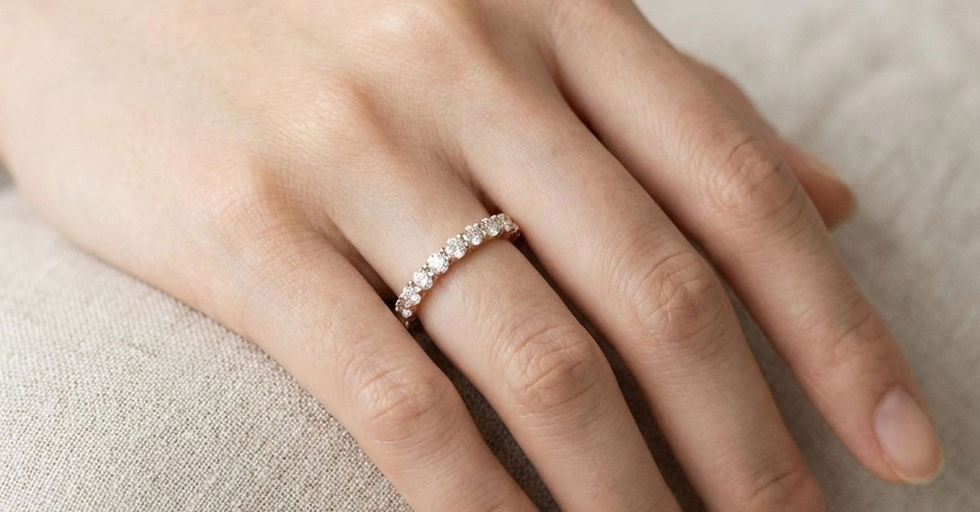
Round diamond band ring set in 18k champagne gold
Practical Examples of Champagne Gold Jewelry
To better understand champagne gold’s appeal, here are some examples of how it is used in jewelry:
Engagement rings: Champagne gold settings highlight diamonds with a warm glow, offering a fresh alternative to traditional yellow or rose gold bands.
Wedding bands: Its subtle color makes it a great choice for couples seeking something elegant but not flashy.
Everyday pieces: Simple chains, bracelets, and earrings in champagne gold add a touch of sophistication without overpowering casual outfits.
Mixed metal designs: Jewelry that combines champagne gold with white or rose gold creates a layered, textured look that is modern and stylish.
Caring for Champagne Gold Jewelry
Maintaining champagne gold jewelry is similar to caring for other gold pieces. Here are some tips:
Regular cleaning: Use mild soap and warm water with a soft cloth to keep the metal shining.
Avoid harsh chemicals: Remove jewelry when using cleaning products or swimming in chlorinated water.
Store properly: Keep pieces in a soft pouch or separate compartment to prevent scratches.
Professional check-ups: Have prongs and settings inspected annually to ensure stones remain secure.


Comments